On Friday September 29th the Operations and Information Management Department (OPIM) held their annual Management Information Systems (MIS) Case Competition. A total of 10 teams, each consisting of 4 students, presented their business case solutions to a panel of 3 faculty judges. Each team was given 20 minutes to present their solution and another 10 minutes to answer any of the judges questions.
OPIM
New Business Faculty for 2017

Impressive Professors Bring Strong Credentials, Added Zeal to School of Business Ranks
An expert in terror analytics, a marketer who worked for NBC, Pepsi and Disney, and a champion of the volunteer income tax program at UConn are among the newest faculty at the School of Business. Continue Reading
Want Better Interoperability? Let Vendors and Providers Charge Fees, One Researcher Says
Fierce Healthcare – As the information blocking debate rages on, one researcher is advocating for an unorthodox approach: Allow vendors and providers to charge fees for managing and exchanging health data.
HIPAA, HITECH Still Limiting Health Data Exchange Innovation
EHR Intelligence – The author of a new editorial on the Health Affairs Blog asserted that federal regulations HIPAA and HITECH— not EHR companies — are responsible for limiting interoperability improvements and obstructing health data exchange.
Op-Ed: To Foster Information Exchange, Revise HIPAA And HITECH
Health Affairs Blog – We know that when patients are provided with access to their medical records, they feel more in control of their care, understand their health conditions and their care plans better, prepare for their visits, and adhere more to their medications. Despite patient portals’ usability challenges for certain groups of patients and disadvantaged populations, they not only help patients and their care partners but also are a significant means to reducing overhead costs for providers. When physicians are provided with instant electronic access to their patients’ medical data, both quality and efficiency of care radically improve. Overall, an interoperable system across the United States that provides instant access to medical records is estimated to reduce the costs of health care services by $371 billion per year.
OPIM Welcomes Back Students
On Friday September 8th the Operations and Information Management Department (OPIM) held an ice cream social reception to welcome back their students. Management Information System (MIS) and Business Data Analysis (BDA) majors, new and returning alike, gathered in the OPIM department to learn about the resources available to them.
UConn Analytics Graduate Program Fosters Camaraderie Among Career Coaches
A dozen colleges and universities were represented at the 2017 UConn Analytics Roundtable on July 18 at the Graduate Business Learning Center (GBLC) in downtown Hartford.
The goal of the event was to form alliances between career coaches from Northeast business schools with analytics/data science graduate programs.
In addition to UConn, participating universities included: Clark, Syracuse, Merrimack College, NYU, Quinnipiac, Fordham, Brandeis, SUNY Buffalo, Rutgers, Boston University and the University of New Hampshire.
Professor John Wilson from the OPIM department was the keynote speaker and addressed the audience about the trends and future of analytics.

“From the moment guests arrived there was chatter and energy in the room,” said Katherine Duncan, a UConn MSBAPM career adviser, who organized and moderated the event. “It was clear that all invited had passion for helping students and enthusiasm to share.”
New Associate Deans for Business Programs

Professors Day, Souder Assume New Leadership Roles; Strive to Further Distinguish Business Programs
The School of Business has appointed two veteran professors, Bob Day and David Souder, to its top leadership team. Continue Reading
Manufacturing Enters Era of Artificial Intelligence
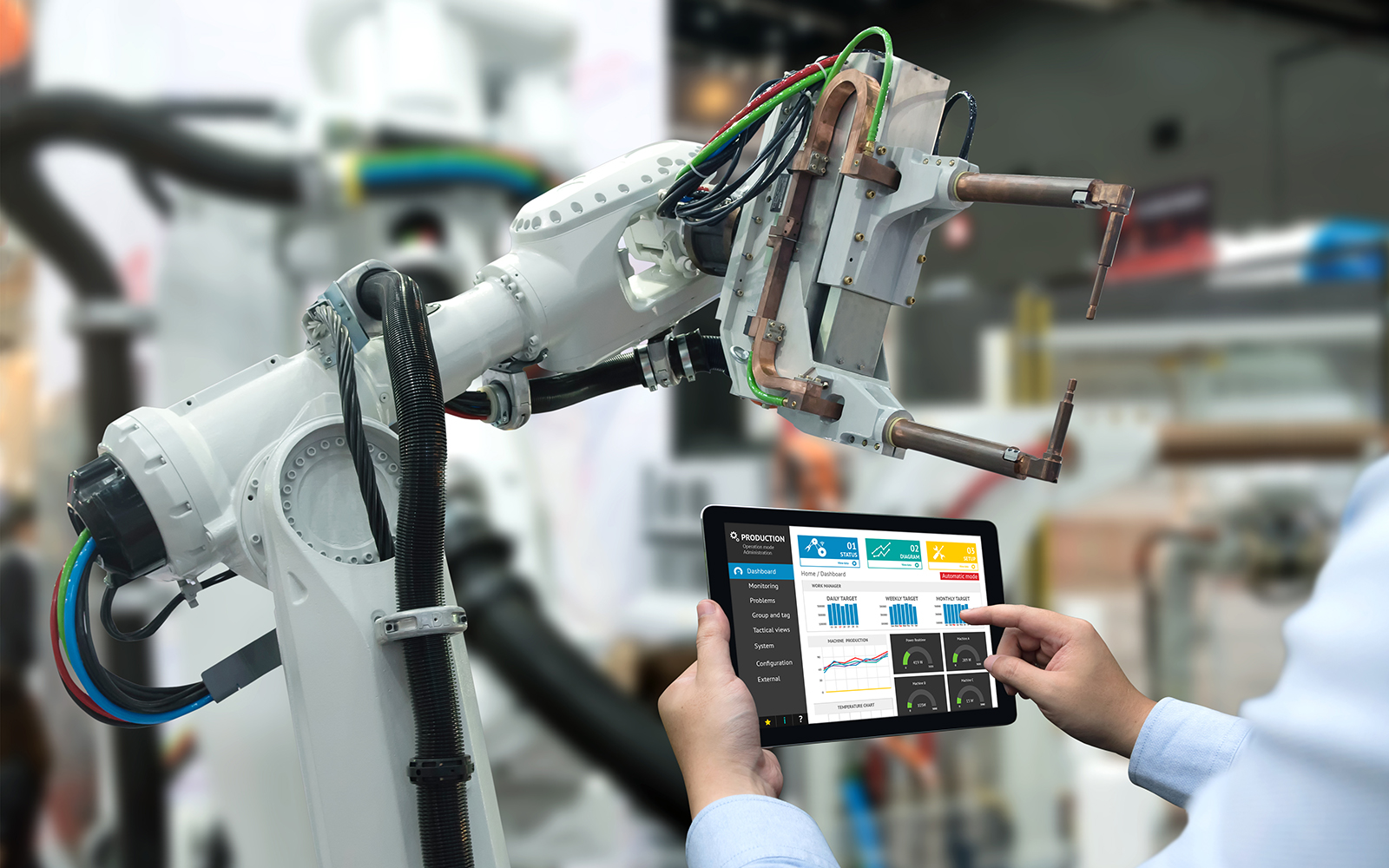
UConn’s MEM Program Gives Students Unique Mix of Business, Engineering Skills for Technology Revolution
In just the past seven or so years, the world of manufacturing has inaugurated the next phase of its own evolution with a new set of guiding principles known as “Industry 4.0.” Just as the transitions from the Stone Age to the Bronze Age to the Iron Age marked periods of radical, sweeping advances for the human species, Industry 4.0 marks the next, drastically different epoch of production technology. Continue Reading
Recent MIS Graduate Lands Dream Job at Sony Music
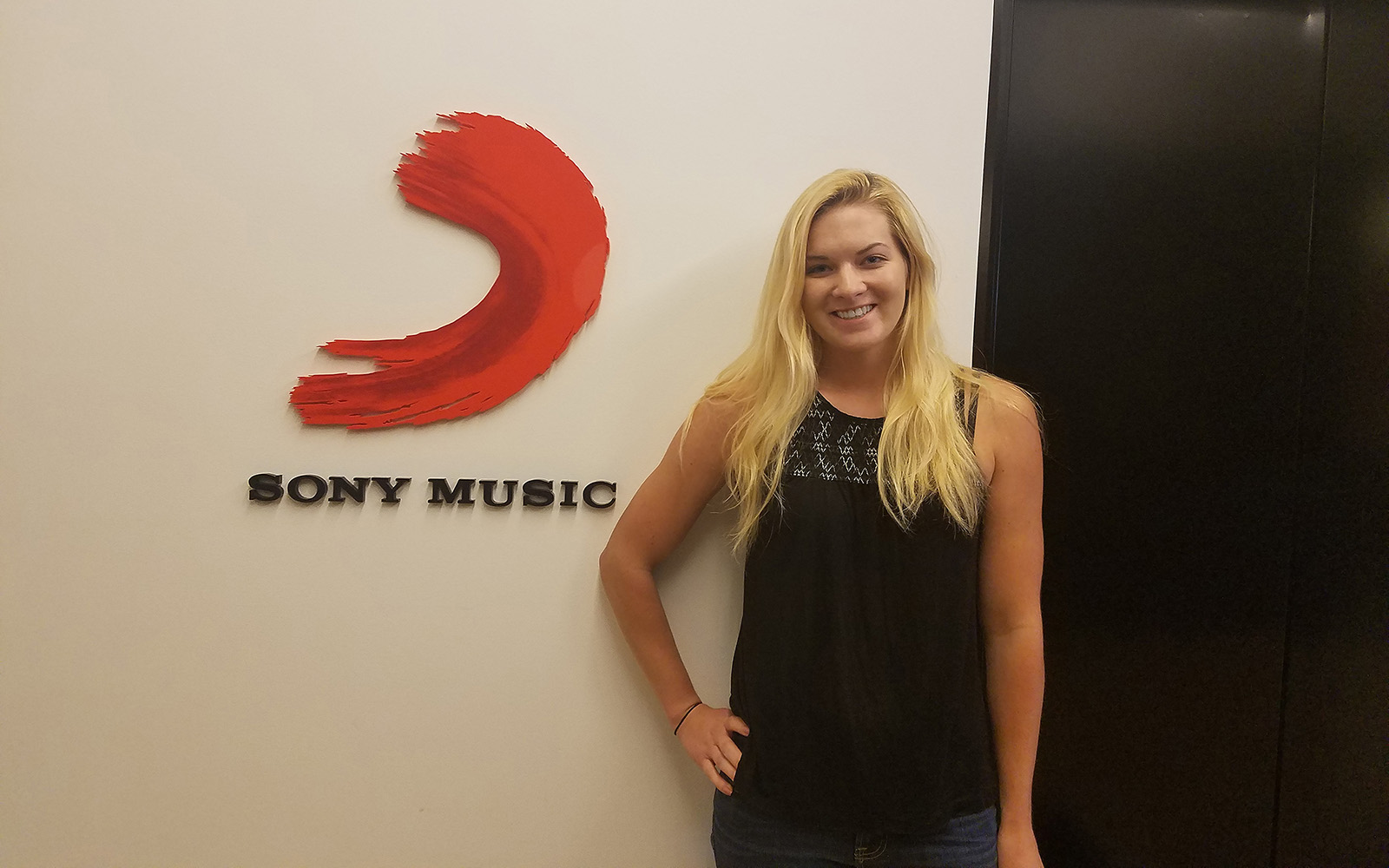
Maggie Quackenbush ’17 Joins New, Two-Year Rotational Program for Recent Graduates Interested in Information Systems and Technology
Maggie Quackenbush ’17 happily accepted a job at Sony Music because she can leverage her management information systems degree and learn something new every day. Continue Reading