Web cookies (also called HTTP cookies, browser cookies, or simply cookies) are small pieces of data that websites store on your device (computer, phone, etc.) through your web browser. They are used to remember information about you and your interactions with the site.
Purpose of Cookies:
Session Management:
Keeping you logged in
Remembering items in a shopping cart
Saving language or theme preferences
Personalization:
Tailoring content or ads based on your previous activity
Tracking & Analytics:
Monitoring browsing behavior for analytics or marketing purposes
Types of Cookies:
Session Cookies:
Temporary; deleted when you close your browser
Used for things like keeping you logged in during a single session
Persistent Cookies:
Stored on your device until they expire or are manually deleted
Used for remembering login credentials, settings, etc.
First-Party Cookies:
Set by the website you're visiting directly
Third-Party Cookies:
Set by other domains (usually advertisers) embedded in the website
Commonly used for tracking across multiple sites
Authentication cookies are a special type of web cookie used to identify and verify a user after they log in to a website or web application.
What They Do:
Once you log in to a site, the server creates an authentication cookie and sends it to your browser. This cookie:
Proves to the website that you're logged in
Prevents you from having to log in again on every page you visit
Can persist across sessions if you select "Remember me"
What's Inside an Authentication Cookie?
Typically, it contains:
A unique session ID (not your actual password)
Optional metadata (e.g., expiration time, security flags)
Analytics cookies are cookies used to collect data about how visitors interact with a website. Their primary purpose is to help website owners understand and improve user experience by analyzing things like:
How users navigate the site
Which pages are most/least visited
How long users stay on each page
What device, browser, or location the user is from
What They Track:
Some examples of data analytics cookies may collect:
Page views and time spent on pages
Click paths (how users move from page to page)
Bounce rate (users who leave without interacting)
User demographics (location, language, device)
Referring websites (how users arrived at the site)
Here’s how you can disable cookies in common browsers:
1. Google Chrome
Open Chrome and click the three vertical dots in the top-right corner.
Go to Settings > Privacy and security > Cookies and other site data.
Choose your preferred option:
Block all cookies (not recommended, can break most websites).
Block third-party cookies (can block ads and tracking cookies).
2. Mozilla Firefox
Open Firefox and click the three horizontal lines in the top-right corner.
Go to Settings > Privacy & Security.
Under the Enhanced Tracking Protection section, choose Strict to block most cookies or Custom to manually choose which cookies to block.
3. Safari
Open Safari and click Safari in the top-left corner of the screen.
Go to Preferences > Privacy.
Check Block all cookies to stop all cookies, or select options to block third-party cookies.
4. Microsoft Edge
Open Edge and click the three horizontal dots in the top-right corner.
Go to Settings > Privacy, search, and services > Cookies and site permissions.
Select your cookie settings from there, including blocking all cookies or blocking third-party cookies.
5. On Mobile (iOS/Android)
For Safari on iOS: Go to Settings > Safari > Privacy & Security > Block All Cookies.
For Chrome on Android: Open the app, tap the three dots, go to Settings > Privacy and security > Cookies.
Be Aware:
Disabling cookies can make your online experience more difficult. Some websites may not load properly, or you may be logged out frequently. Also, certain features may not work as expected.
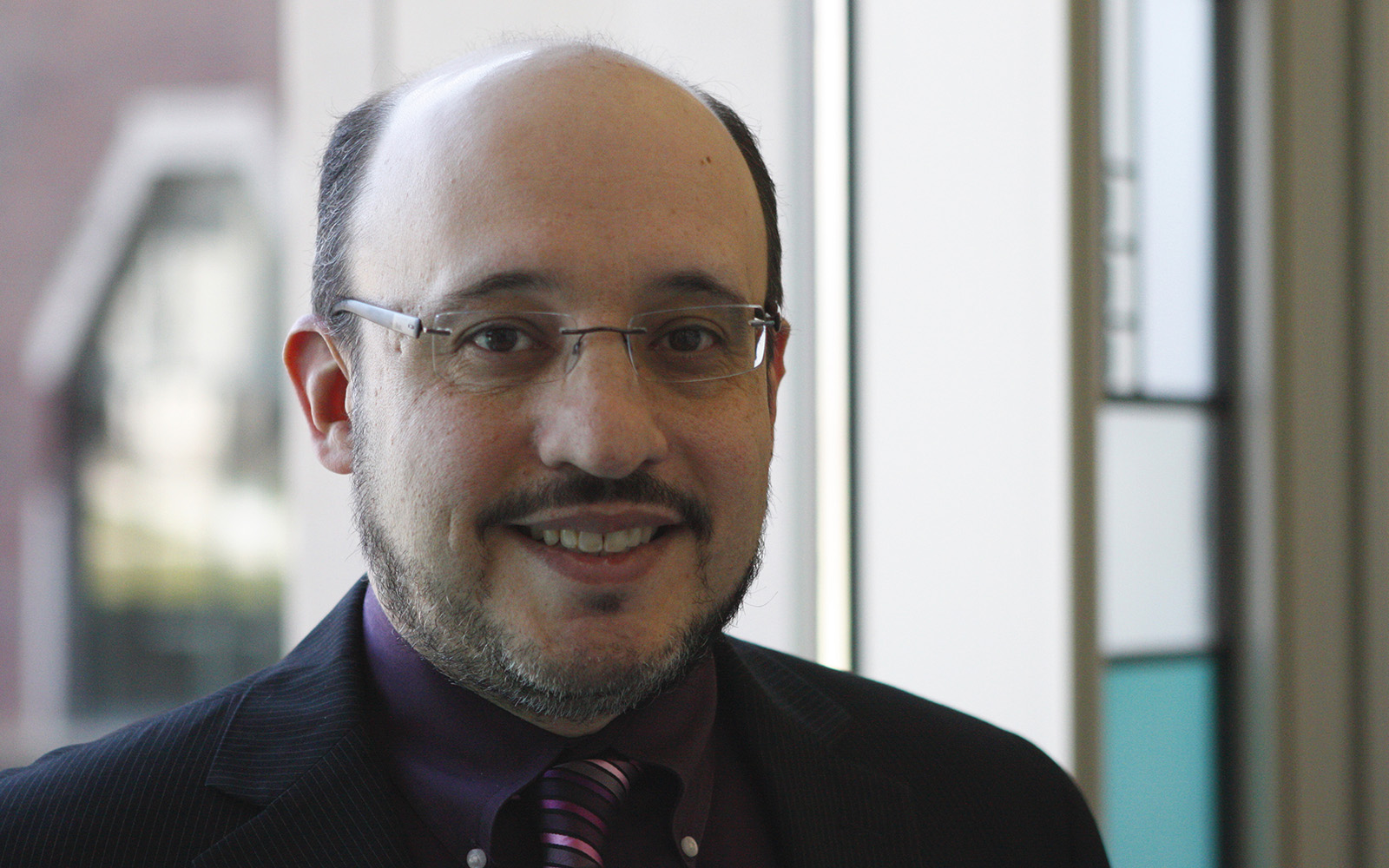
Jeffrey Cohen (Nathan Oldham/UConn School of Business)
As Fed Reserve Scholar, Professor Cohen Explores Airport Noise, Housing Vacancy Ripple Effects
Jeffrey Cohen, a professor of finance and real estate, served as a visiting scholar at the Federal Reserve Bank of St. Louis for four days in May. Continue Reading
Hartford Courant – Aetna’s decision to look beyond Hartford for its headquarters isn’t complicated, experts say: the company wants young, highly educated workers who live in thriving city environments.
At the moment, that isn’t Hartford, which only recently has picked up the pace of adding downtown apartments and other sought-after urban amenities.
“The first thing is that you have to be in a big enough metro area to attract young people,” John Glascock, director of the Center for Real Estate and Urban Economics at the University of Connecticut in Storrs, said. “GE had some problems with top candidates relocating to southern Connecticut.”
The School of Business is experiencing substantial and exciting growth. Our undergraduate majors are ‘red hot’ because they offer the ideal combination of intellectual challenge, career potential and financial reward. Our undergraduate enrollment is up 36 percent since 2012. Continue Reading
Business Insider – Department stores are planning to close even more stores this year on top of the tidal wave of closures announced over the past couple of months.
Bo Ni ’17 (BUS) poses for a photo with the husky statue following the School of Business Commencement ceremony on May 7, 2017. (Peter Morenus/UConn Photo)
Arrive Early, Stay Late, Put in the Effort to Succeed, Says Commencement Speaker Doug Elliot, President of The Hartford
In a commencement speech laced with solid career advice about hard work and attaining career success, Doug Elliot ’82 mentioned that his life did benefit from a touch of serendipity. Continue Reading
The Center for Real Estate honored outstanding contributors to the profession and to UConn students’ success in an elegant 15th Annual Awards banquet at the Rome Commons Ballroom on April 27. Continue Reading
citibizlist.com – Cushman & Wakefield announced today that Executive Managing Director Jared Thal was awarded “Alumni of the Year” by the University of Connecticut’s Center for Real Estate and Urban Economic Studies, at the university’s Annual Awards Banquet on Thursday, April 27th, 2017.
Rensselaer Department of Economics– The Department of Economics, in conjunction with the Center for Infrastructure, Transportation and the Environment (CITE) of the School of Engineering, is pleased to present a talk by Dr. Jeffrey P. Cohen, Associate Professor of Business, University of Connecticut, on Wednesday, April 26 at 2:30 pm in JEC 3117. Dr. Cohen’s talk is entitled, “Does a New Rail Rapid Transit Line Affect Various Commercial Property Prices Differently?”